Honoring the Final Journey: Social Fabrics and Cultural Customaries in India
Wiki Article
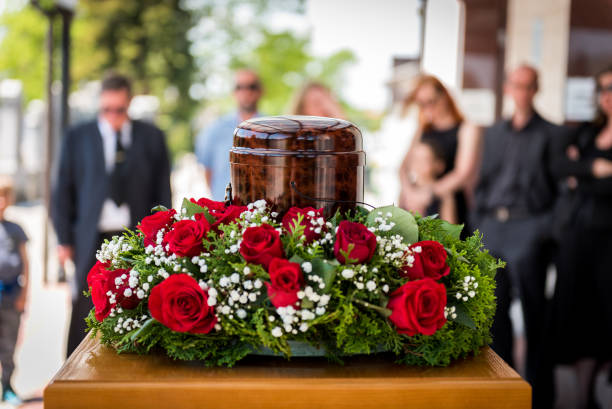
Within the vibrant subcontinental heritage of India, customs dedicated to celebrating a completed life stand as a timeless testament to community devotion. Across every regional territory, the traditions associated with honoring an individual's earthly chapter are rich with regional artistry, historical significance, and intricate social customs. Far from viewing departure with isolated sorrow, these practices establish a lasting connection, reinforcing family bonds, strengthening neighborhood networks, and preserving ancestral etiquette. The quiet period immediately after a farewell are spent in thoughtful, dignified preparation. Family members gather to perform traditional preparation rituals preserved within family lines. The departed loved one is dressed in spotless traditional attire that reflect regional dress customs. White garments are most frequently chosen, symbolizing quiet peace, dignity, and cultural simplicity. In other regional communities, festive cultural cloths are chosen to honor the individual's age, social role, or lineage. Fragrant floral arrangements play an irreplaceable role within these home observances. Fresh garlands crafted from bright orange marigolds, sweet-scented jasmine, pristine lotus blossoms, and colorful roses are carefully arranged around the individual. This floral art serves a profound purpose; they express the collective affection and high esteem of the community. Anointing with cooling sandalwood, pure rose oils, and herbal extracts underscores the high level of respect, hygiene, and beauty present in the household. Among the most celebrated social features of Indian funeral customs is the organized neighborhood procession from the family residence to the community resting grounds. Referred to as a collective march of respect, this peaceful walk along shared streets turns family sorrow into a dignified public tribute. Community members, distant relatives, and lifelong friends assemble outside the domestic residence, garbed in white garments of respect to demonstrate solidarity and visual harmony. The loved one rests upon a traditional litter made from natural bamboo, adorned with fresh green leaves, traditional woven textiles, and rich floral garlands. As the procession moves through the streets, members of the community step forward to take turns carrying the frame upon their shoulders. This physical act of sharing the weight is a profound gesture of fellowship, proving that grief is met with shared strength. Across numerous localities, the gentle chiming of bells and melodic flutes enhances the journey, offering a graceful auditory backdrop that honors the individual's legacy within the public sphere. The extraordinary variety of Indian heritage is clearly visible in the varied funeral customs observed across different geographical regions and ethnic groups. Even as mutual respect and community participation stay identical throughout, the outward ceremonial forms adapt uniquely according to regional heritage and local ancestry. Following the primary ceremonial rites, subcontinental tradition observes a dedicated period of domestic hosting, observed over nearly two weeks. During this timeframe, the domestic residence serves as a welcoming venue for neighbors, extended family lines, and well-wishers who drop in to share comfort and honor the family. Hospitality during this period is a vital cultural requirement. Simple, nutritious vegetarian meals are prepared daily in large quantities to feed visiting neighbors, family, and travelers. This practice of joint dining creates strong emotional bonds, helps visitors reflect on the individual's positive contributions, allowing the neighborhood to take care of all domestic chores for the family. The closing of the formal hosting phase features a generous community gathering. Elders speak about the individual's life legacy and community service, passing down valuable life lessons to youth. Generous community donations—including gifting garments to neighbors, funding local schools, or providing meals to the needy—are organized as a meaningful tribute, reinforcing the value of community service and social responsibility.
Repatriation Services in India Traditional communities in India meet this final transition with a unique blend of communal togetherness and structured ritualism. Across both historic towns and modern neighborhoods, the collective gathering of relatives, neighbors, and friends underpins every step of the cultural farewell. These time-honored practices offer a meaningful space allowing society to express gratitude, care for grieving households, and pass on oral histories.
Loving Preparation and Aesthetic Elegance
Processions of Honor: Community Unity
Aspect
Material Used
Community Role
Clothing
Traditional White Attire
Symbolizes social equality, peace, and community unity.
Resting Platform
Woven Bamboo and Foliage
Demonstrates local craft and eco-friendly design.
Garlands
Marigolds and Jasmine
Conveys family devotion and visual honor.
Herbal Preparations
Sandalwood Paste and Rosewater
Provides sensory elegance and traditional purification.
Subcontinental Diversity in Farewell Customs
Dead Body Transportation in Pune No matter if the community practices gentle earthen burial or ceremonial fire rites, the practice remains deeply rooted in local philosophy of offering the individual back to nature's elements in a manner that honors the land and traditional environmental philosophy.
Communal Hospitality and Memorial Traditions
Conclusion: An Enduring Legacy of Respect
Harishchandra Ghat Electric Crematorium The farewell traditions of India present a masterclass in community togetherness, textile art, and social respect. By handling personal farewells with public grace and communal support, these practices highlight the power of family bonds and social networks. Through beautiful floral arrangements, white-clad processions, regional artistry, and generous hospitality, communities across India pay magnificent tribute to their elders while fortifying the enduring bonds of the community for generations to come.