Cultural Tapestry of Farewell: Cultural Traditions and Social Fabrics of Indian Funeral Customs
Wiki Article
Throughout the rich cultural regions of India, customs dedicated to celebrating a completed life reflect a deep commitment to social solidarity. From rural villages to major cultural hubs, the traditions associated with honoring an individual's earthly chapter demonstrate unmatched grace, historical roots, and mutual support. Rather than focusing merely on loss, these practices establish a lasting connection, reinforcing family bonds, strengthening neighborhood networks, and preserving ancestral etiquette. The quiet period immediately after a farewell are observed with attentive care and respect. Family members gather to perform traditional preparation rituals passed down through untold generations. The individual is adorned in clean, elegant garments that reflect regional dress customs. In many traditions, classic white attire is selected, representing equality, calm reverence, and timeless grace. In other regional communities, traditional textiles featuring intricate patterns or specific cultural colors are chosen to honor the individual's age, social role, or lineage. Flowers hold a deeply meaningful place in these preparations. Artistically woven wreaths of sweet jasmine, brilliant marigolds, and fresh roses are carefully arranged around the individual. These colorful arrangements represent more than mere visual beauty; they represent the vibrant beauty of life and the honor bestowed by the family. Anointing with cooling sandalwood, pure rose oils, and herbal extracts further highlights the aesthetic elegance and loving care embedded within the home-based preparations. Among the most celebrated social features of these traditional farewells is the ceremonial procession from the family residence to the community resting grounds. Referred to as a collective march of respect, this communal journey turns family sorrow into a dignified public tribute. Community members, distant relatives, and lifelong friends assemble outside the domestic residence, dressed in modest, unadorned traditional white clothing creating a peaceful, harmonious visual atmosphere. The rested individual is borne on a handmade platform crafted from sturdy local bamboo, decorated with fresh foliage and bright flowers. As the walk progresses toward the resting destination, participants share the responsibility of bearing the weight. This physical act of sharing the weight is a profound gesture of communal respect, symbolizing that no family carries the weight of a farewell alone. Throughout several cultural zones, the gentle chiming of bells and melodic flutes accompanies the procession, creating a rhythmic and dignified atmosphere that honors the individual's legacy within the public sphere. The extraordinary variety of Indian heritage is clearly visible within the distinct farewell practices found across states and communities. Although the foundational principles of hospitality and honor are shared everywhere, the outward ceremonial forms adapt uniquely across different climatic, geographic, and cultural zones. After the main day of farewell, Indian cultural heritage dictates a structured period of home-based remembrance, typically lasting between ten and thirteen days. Throughout these days, the family home becomes an open sanctuary for guests arriving from nearby and far-off locations who travel from afar to offer condolences and pay their respects. Hospitality during this period is a vital cultural requirement. Simple, nutritious vegetarian meals are prepared daily in large quantities to serve all guests who arrive to honor the family. This practice of joint dining creates strong emotional bonds, provides an opportunity to recount cherished personal stories, allowing the neighborhood to take care of all domestic chores for the family. The final day of the memorial period features a generous community gathering. Elders speak about the individual's life legacy and community service, ensuring that their oral history is transmitted to younger generations. Selfless acts of service—including gifting garments to neighbors, funding local schools, or providing meals to the needy—are carried out to celebrate the person's legacy, building a lasting legacy of kindness and civic care.
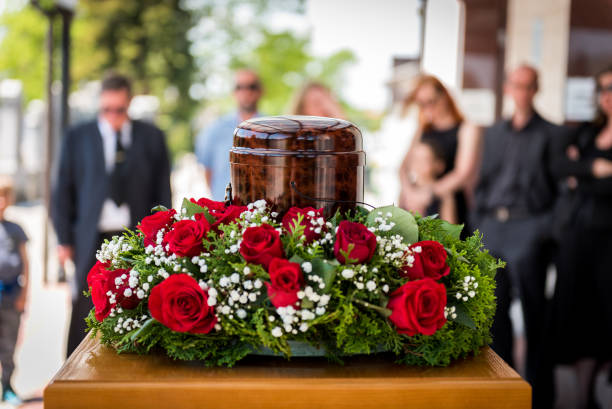
Hindu Burial Ground Adityanagra Families across India handle these dignified moments with a unique blend of communal togetherness and structured ritualism. Whether in quiet country settlements or dense metropolitan districts, the active participation of the surrounding community underpins every step of the cultural farewell. These time-honored practices offer a meaningful space allowing society to express gratitude, care for grieving households, and pass on oral histories.
Loving Preparation and Aesthetic Elegance
Processions of Honor: Community Unity
Cultural Feature
Material Used
Symbolic Value
Attire
Traditional White Attire
Represents purity, equality, and shared grief.
Palanquin Frame
Handcrafted Local Bamboo
Reflects connection to nature and traditional craftsmanship.
Floral Adornments
Marigolds and Jasmine
Represents honor, aesthetic beauty, and respect.
Aromatics
Sandalwood Paste and Rosewater
Offers a fresh, dignified atmosphere.
Regional Variations and Cultural Diversity
Muktidham Crematory Regardless of whether the final rites use natural earthen placement or traditional fire settings, the practice remains deeply rooted in local philosophy of returning the physical form to nature's fundamental components through practices that prioritize environmental respect and cultural grace.
Gatherings of Remembrance and Community Care
Final Reflections: Honor, Artistry, and Unity
Hindu Burial Ground Adityanagra The farewell traditions of India present a masterclass of social values, artistic traditions, and profound community solidarity. By handling personal farewells with public grace and communal support, these traditions showcase the strength of human connection and collective support. By combining fragrant floral arts, dignified processions, local customs, and charitable giving, communities across India pay magnificent tribute to their elders while building stronger, more united neighborhoods for the future.