Cultural Tapestry of Farewell: Social Fabrics and Cultural Customaries in India
Wiki Article
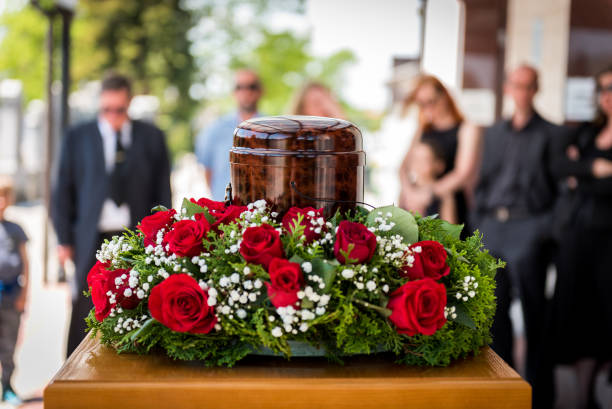
Across the vast and diverse landscape of India, traditions associated with honoring an individual's passing represent a profound expression of collective heritage. From rural villages to major cultural hubs, the traditions associated with honoring an individual's earthly chapter demonstrate unmatched grace, historical roots, and mutual support. Rather than focusing merely on loss, these practices establish a lasting connection, uniting relatives, honoring elders, and passing down timeless values. The initial hours of the ceremonial gathering are spent in thoughtful, dignified preparation. Close relatives assemble to carry out customary washing and dressing that have been refined over centuries. The departed loved one is dressed in spotless traditional attire that reflect regional dress customs. White garments are most frequently chosen, representing equality, calm reverence, and timeless grace. Among various ethnic lineages, garments with decorative embroidery or regional dyes are used to mark a life full of accomplishment and honor. Fragrant floral arrangements play an irreplaceable role within these home observances. Vibrant arrangements of native blossoms are carefully arranged around the individual. These floral decorations are far more than aesthetic adornments; they represent the vibrant beauty of life and the honor bestowed by the family. The delicate use of natural sandalwood, rosewater, and native herbs ensures an environment of supreme dignity, freshness, and cultural charm. Among the most celebrated social features of these traditional farewells is the organized neighborhood procession from the family residence to the community resting grounds. Known across various regions as a procession of honor, this movement through public space unites the broader neighborhood in mutual support. Community members, distant relatives, and lifelong friends assemble in front of the family home, dressed in modest, unadorned traditional white clothing creating a peaceful, harmonious visual atmosphere. The individual is carried upon a gracefully constructed frame made from natural bamboo, adorned with fresh green leaves, traditional woven textiles, and rich floral garlands. As the walk progresses toward the resting destination, members of the community step forward to take turns carrying the frame upon their shoulders. This hands-on participation represents a meaningful tradition of communal respect, symbolizing that no family carries the weight of a farewell alone. In many regions, the gentle chiming of bells and melodic flutes enhances the journey, offering a graceful auditory backdrop that honors the individual's legacy within the public sphere. The extraordinary variety of Indian heritage is clearly visible in the local variations that mark each district's traditional customs. Although the foundational principles of hospitality and honor are shared everywhere, the visual and artistic details differ wonderfully across different climatic, geographic, and cultural zones. Once the initial rites conclude, Indian cultural heritage dictates a structured period of home-based remembrance, observed over nearly two weeks. In this dedicated period, the family home becomes an open sanctuary for neighbors, extended family lines, and well-wishers who drop in to share comfort and honor the family. Hospitality during this period is a vital cultural requirement. Freshly cooked vegetarian meals are made each day so every guest is comfortably welcomed and nourished. This practice of joint dining creates strong emotional bonds, provides an opportunity to recount cherished personal stories, while guaranteeing that the family receives active help and daily supplies from neighbors. The final day of the memorial period is marked by a large-scale community feast and memorial gathering. Senior relatives recount the person's life history, good deeds, and values, preserving family heritage for children and grandchildren. Acts of charitable giving—like sponsoring student materials, sharing food with local shelters, or donating textiles—are organized as a meaningful tribute, strengthening societal support systems and charitable values.
Kengeri Crematorium Traditional communities in India meet this final transition through a harmonious mix of joint effort and refined etiquette. Whether in quiet country settlements or dense metropolitan districts, the active participation of the surrounding community underpins every step of the cultural farewell. This social tradition provides a supportive atmosphere through which communities offer mutual support, demonstrate respect for elders, and celebrate the enduring influence of a person's life legacy.
Dignified Preparation and Family Care
Processions of Honor: Community Unity
Cultural Feature
Traditional Medium
Symbolic Value
Dress Code
Traditional White Attire
Reflects modest dignity and visual harmony.
Resting Platform
Natural Bamboo and Rattan
Reflects connection to nature and traditional craftsmanship.
Wreaths
Marigolds and Jasmine
Expresses high regard, warmth, and artistic beauty.
Herbal Preparations
Herbal Extracts and Rose Oils
Provides sensory elegance and traditional purification.
Subcontinental Diversity in Farewell Customs
Hindu Crematorium Ground Hyderabad Whether the final resting customs involve traditional earthen burials or ceremonial fire arrangements, the emphasis stays firmly placed on cultural values of returning the physical form to nature's fundamental components through practices that prioritize environmental respect and cultural grace.
Hospitality, Remembrance, and Social Continuity
Final Reflections: Honor, Artistry, and Unity
Hindu Crematorium Ground Hyderabad These subcontinental customs demonstrate a beautiful example of social values, artistic traditions, and profound community solidarity. By handling personal farewells with public grace and communal support, these customs prove the enduring value of shared hospitality and tradition. By combining fragrant floral arts, dignified processions, local customs, and charitable giving, this heritage celebrates the completed life of every member while fortifying the enduring bonds of the community for generations to come.